
 RJ Samantha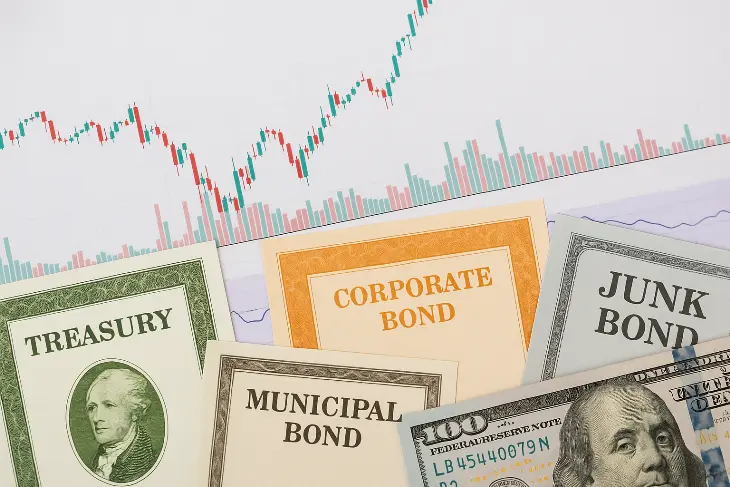
Bonds might sound boring, but they’re actually one of the most reliable building blocks in a smart investor’s portfolio.
Whether you’re looking for steady income, capital preservation, or a way to diversify from stocks, bonds can do the trick. But not all bonds are created equal.
In this article, we’ll break down the main types of bonds – from low-risk Treasury bonds to high-yield (aka “junk”) bonds.
We’ll look at what they are, how they work, real-world examples, and what kind of investors they’re best suited for. Ready to decode the world of bonds? Let’s go!
1. Treasury Bonds (T-Bonds): Safe but Slow
Treasury bonds are long-term debt securities issued by the U.S. Department of the Treasury. When you buy one, you’re essentially lending money to the U.S. government.
Key Features:
- Maturity: 10 to 30 years
- Interest: Paid every six months
- Virtually risk-free (backed by the U.S. government)
Real-World Example:
Let’s say you buy a 30-year T-bond with a 4% annual yield. You’ll receive two payments of 2% interest each year, and your full principal back in 30 years.
Risk/Return Profile:
- Risk: Low
- Return: Low to moderate
- Best for: Conservative investors who prioritize capital preservation
Fun Fact: T-bonds often shine during recessions when investors flee risky assets for safety.
2. Municipal Bonds (Munis): Tax-Free Income
Municipal bonds are issued by states, cities, and local governments to fund public projects like schools, highways, and hospitals.
Types of Munis:
- General Obligation Bonds: Backed by the issuer’s credit and taxing power
- Revenue Bonds: Paid back with revenue from a specific project (e.g., toll roads)
Key Benefits:
- Interest income is often exempt from federal and sometimes state/local taxes
- Can be a great choice for high-income earners
Real-World Example:
Los Angeles might issue a revenue bond to fund a public transportation upgrade. Investors earn interest from fares and taxes generated by the project.
Risk/Return Profile:
- Risk: Low to moderate (depends on issuer)
- Return: Moderate
- Best for: Tax-conscious investors looking for income
Heads-Up: Not all munis are created equal – some smaller cities may have shaky finances. Always check the bond’s credit rating.
3. Corporate Bonds: More Risk, More Reward
Corporate bonds are issued by companies to raise capital. You’re lending money to a business in exchange for interest payments.
Types:
- Investment-Grade Bonds: Issued by financially strong companies (e.g., Apple, Microsoft)
- High-Yield Bonds (Junk Bonds): Issued by companies with lower credit ratings
Real-World Example:
Apple issues a 10-year bond at 3.5% interest. You’ll receive fixed income over 10 years, then your initial investment back.
Risk/Return Profile:
- Risk: Moderate to high
- Return: Higher than government bonds
- Best for: Income-focused investors willing to accept a bit more risk
Pro Tip: Stick with investment-grade bonds if you want reliable income with limited risk. Junk bonds can be tempting, but they come with baggage.
4. Junk Bonds (High-Yield Bonds): Big Risks, Big Potential
Junk bonds are corporate bonds with low credit ratings (BB or lower), often from companies with uncertain financial futures.
Why Invest?
They offer higher yields to compensate for the higher risk of default.
Real-World Example:
A startup airline with shaky profits may offer a 9% bond. High return? Sure. But if they go bankrupt, you could lose everything.
Risk/Return Profile:
- Risk: High
- Return: High
- Best for: Aggressive investors looking for yield and who can stomach volatility
Word of Caution:
Junk bonds often move more like stocks than traditional bonds. They’re not ideal if you’re investing for stability.
Other Bond Types You Might Hear About
- Zero-Coupon Bonds: Sold at a deep discount, no periodic interest payments. You get a lump sum at maturity.
- Convertible Bonds: Can be converted into a certain number of shares of the issuing company’s stock.
- Foreign Bonds: Issued by foreign governments or companies. Attractive, but currency risk applies.
How to Choose the Right Bond for Your Portfolio
Here’s a simple cheat sheet to match your investment goal with a bond type:
| Investment Goal | Best Bond Type |
|---|---|
| Safety & Stability | Treasury Bonds |
| Tax-Free Income | Municipal Bonds |
| Higher Returns | Corporate Bonds |
| Aggressive Income | Junk Bonds |
| Long-Term Growth | Zero-Coupon Bonds |
Tips:
- Always check the credit rating of a bond (AAA is safest, D means default).
- Don’t put all your eggs in one basket – diversify across bond types.
- Consider bond ETFs or mutual funds if you want exposure without picking individual bonds.
Bonds aren’t just for retirees. They can be a smart way to generate passive income, reduce volatility, and protect against stock market drops.
Whether you want safety, tax advantages, or higher yields, there’s a bond for every type of investor.
So, next time someone says bonds are boring, you’ll know better – they’re anything but when you understand how they work.

